







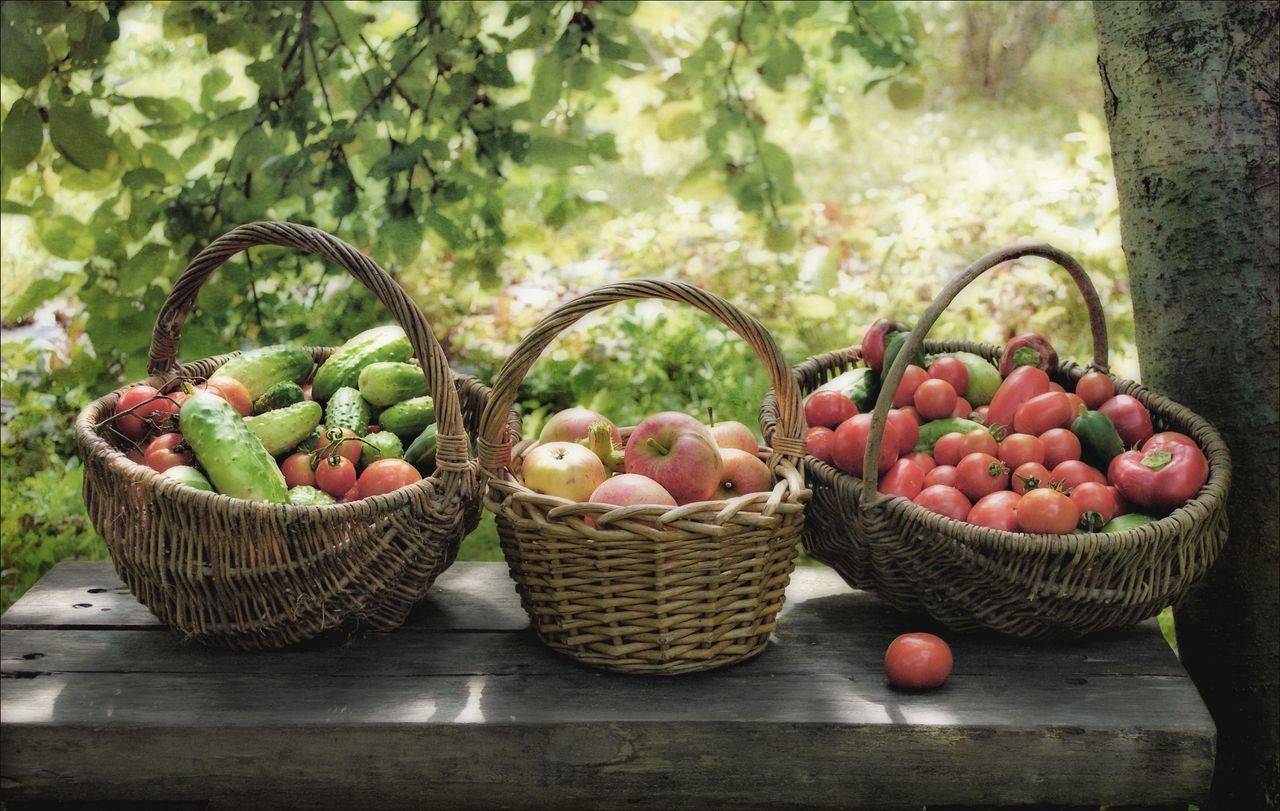

As our world has become increasingly industrialized and globalized, we have access to virtually any type of food at almost any time of year. While this offers tremendous convenience, it can also create a disconnect from the natural rhythms of the seasons.
The benefits of eating seasonally can include enjoying foods at their natural peak, adding greater variety to your diet, supporting local agriculture and becoming more connected to how food changes throughout the year.
What Does Eating Seasonally Mean?
The concept of eating with the seasons is rooted in traditional Chinese medicine, Ayurveda and other traditional healing systems.
It involves choosing more foods that naturally grow and are harvested during different times of the year.
In traditional Chinese medicine, seasonal eating also considers the energetic qualities of food. During summer, for example, cooling foods such as watermelon, cucumber and mint are often emphasized, while winter traditionally favors warming foods such as root vegetables, soups and stews.
This doesn’t mean you have to completely avoid foods that are out of season. Instead, seasonal eating encourages you to notice what is naturally available and incorporate more of those foods into your meals.
Seasonal Eating and Your Body
One of the benefits of eating seasonally is that it encourages us to pay attention to how our food preferences and needs may change throughout the year.
For example, as the weather begins to cool in fall, many people naturally gravitate toward warmer, more grounding foods such as roasted vegetables, soups and stews.
During warmer months, lighter meals, fresh fruits and hydrating foods may feel more appealing.
From a traditional Chinese medicine perspective, adjusting food choices with the seasons can help support balance and make meals feel more aligned with the environment around us.
Enjoy Foods at Their Seasonal Peak
Seasonal fruits and vegetables are often harvested closer to their natural growing season, when flavor and freshness may be at their best.
Eating seasonally can also encourage greater variety throughout the year.
Instead of relying on the same fruits and vegetables every week, each season brings different options to explore, helping you naturally rotate the foods in your diet.
Support Local Food and Agriculture
Seasonal eating can also encourage people to purchase more food from local farms and farmers markets.
Choosing locally grown seasonal foods may reduce the distance some foods travel and can help support farmers and food producers in your community.
Of course, food production and environmental impact depend on many factors, but choosing seasonal and locally available foods when practical can be one way to become more mindful of where your food comes from.
Discover New Foods and Flavors
Eating seasonally can also be a fun and creative way to experiment with new foods and recipes.
Throughout the year, different fruits, vegetables and herbs come into season, giving you opportunities to:
- Try ingredients you don’t usually buy
- Experiment with new recipes
- Explore different cooking techniques
- Add more variety to your meals
- Develop a greater appreciation for seasonal foods
A trip to the farmers market can be an easy way to see what is currently growing in your area and find inspiration for your next meal.
Final Thoughts
Eating with the seasons is a simple way to become more connected with your food, your environment and the changing rhythms of the year.
Whether you’re enjoying a crisp fall apple, a refreshing summer salad or a hearty winter stew, each season brings different flavors and opportunities for nourishment.
You don’t need to follow seasonal eating perfectly. Even small changes, such as choosing a few seasonal fruits and vegetables each week, can bring more variety and awareness to the way you eat.
Ready to explore seasonal eating? Visit your local farmers market, look for seasonal produce at the grocery store or try a new recipe featuring ingredients that are currently in season.